
Biologic Therapy for Urticaria & Atopic Dermatitis (Eczema)
When antihistamines or topical care aren’t enough, biologic therapy offers a precise, evidence-based option

Biologic Therapy for Urticaria & Atopic Dermatitis (Eczema)
Targeted medicines, dermatologist-led. When antihistamines or topical care aren't enough, biologic therapy offers a precise, evidence-based option—designed to calm the overactive immune pathways behind chronic hives and moderate-to-severe eczema. At Dermaclinix (Defence Colony, South Delhi), our AIIMS-trained dermatologists recommend biologics only when truly indicated, after a clear diagnosis and stepwise care.
Biologics for Chronic Urticaria (Hives)
Chronic spontaneous urticaria (CSU)
Growth factors act like text messages to hair-root cells (dChronic spontaneous urticaria (CSU)—hives on most days for ≥6 weeks, sometimes with angioedema.ermal papilla).
Inducible urticarias
Select inducible urticarias (pressure, cold, cholinergic) when conventional therapy fails.
How it works:
Binds free IgE and down-regulates IgE receptors on mast cells over weeks, helping reduce wheals and itch.
How it’s given: 150 mg or 300 mg
How it’s given: 150 mg or 300 mg as a subcutaneous injection every 4 weeks; many patients respond after 2–4 doses. Monitoring is done in-clinic.
If control is incomplete
If control is incomplete: specialist-guided dose/interval escalation may be considered under international urticaria guidelines; allow up to 6 months to judge response.
Your dermatologist will screen for contraindications, discuss rare risks (including anaphylaxis), and provide a clear action plan
Book An Appointment
When we consider a biologic:
Moderate-to-severe AD not controlled with optimized moisturizers, topical anti-inflammatories, and (where appropriate) phototherapy
Related (not biologics, but targeted):
JAK inhibitors (e.g., upadacitinib, abrocitinib) are oral, rapid-acting options for selected patients when biologics aren’t suitable; require lab and safety monitoring.
Options we use and discuss:
Dupilumab (IL-4/IL-13 pathway): improves inflammation and itch; suitable for adults and adolescents per major guidelines; long-term data support sustained benefit and acceptable safety. Pairs well with standard medical hair treatment plans
Tralokinumab (IL-13): an alternative for moderate-to-severe AD; guideline-supported efficacy and safety.
- Urticaria: symptoms ≥6 weeks despite optimized second-generation antihistamines (including step-up dosing); significant impact on sleep/work; no red-flag contraindications.
- Atopic dermatitis: moderate–severe disease despite optimized topical care; frequent flares, disturbed sleep, or widespread involvement; discussion of biologic vs targeted oral options.

Dermaclinix approach: diagnosis first → optimize basics → biologic only when indicated → review milestones every 8–12 weeks.
-
Pre-treatment review (history, triggers, vaccines),
rule-outs, and counseling. -
In-clinic initiation with post-injection observation
when required; clear contact pathway for any
concerns. -
Ongoing assessment of response, comfort, and side
effects; adjust plan (add/step down) to keep therapy
minimal but effective.


-
Omalizumab (CSU): first check at 4–8 weeks,
continue up to 6 months to determine response;
then taper or maintain as advised. -
Dupilumab/Tralokinumab (AD): early itch relief often
in 2–4 weeks; best skin clearance builds over 3–6
monthswith steady use.
Google-Centric FAQs (Biologics)
Results
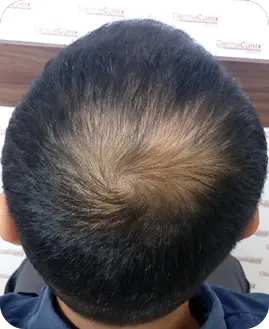
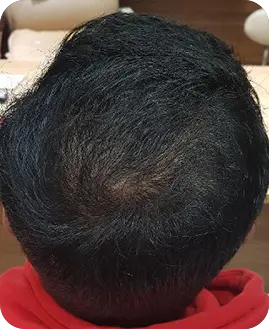
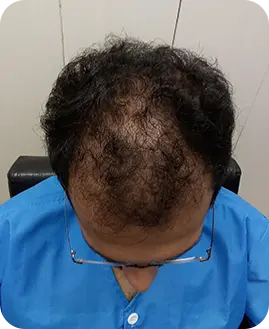
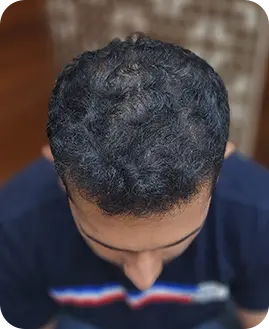
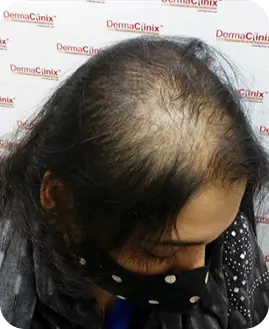

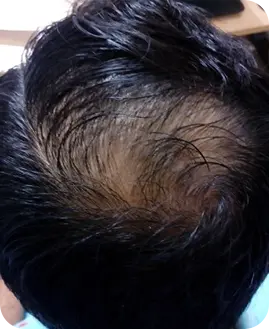

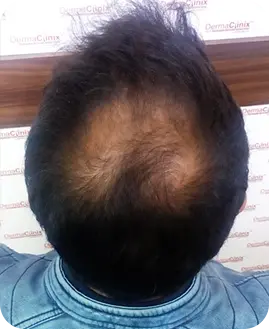
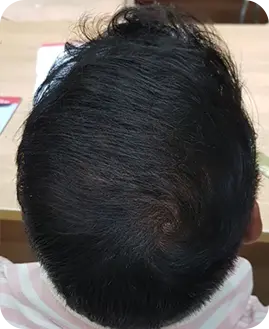
Get Healthy Scalp like never before - See the result for your self !
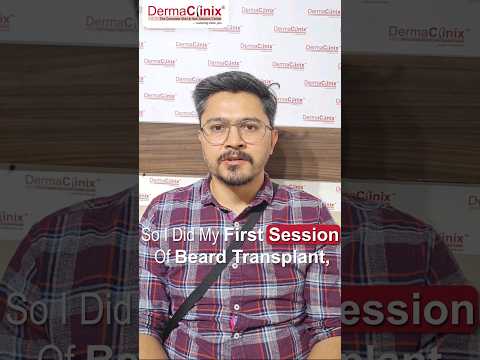
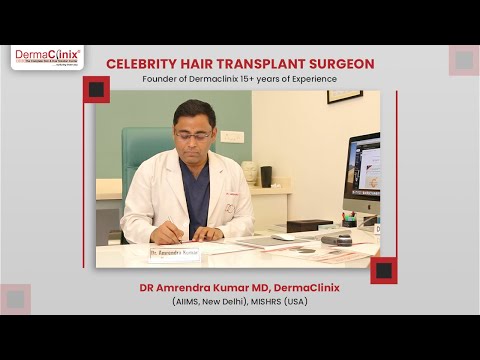
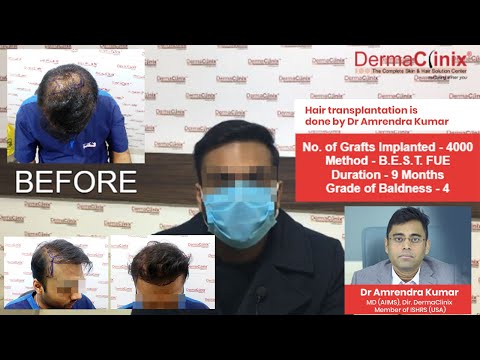
Hair Regeneration Testimonials







Recent Blogs
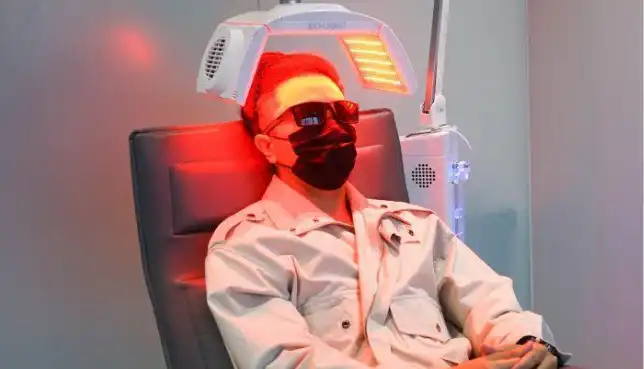
What Is a True NoShave FUE Hair Transplant? In traditional FUE, small patches of the donor area ....
“I wanted to fix my thinning hair—but I couldn’t imagine shaving it all off. Then I discovered unshaven....
“I wanted to keep every strand of my hair—and I did. I walked in, walked out, and now.....
Book A Consultation
Featured in